
November 16, 2026
Vancouver, B.C.
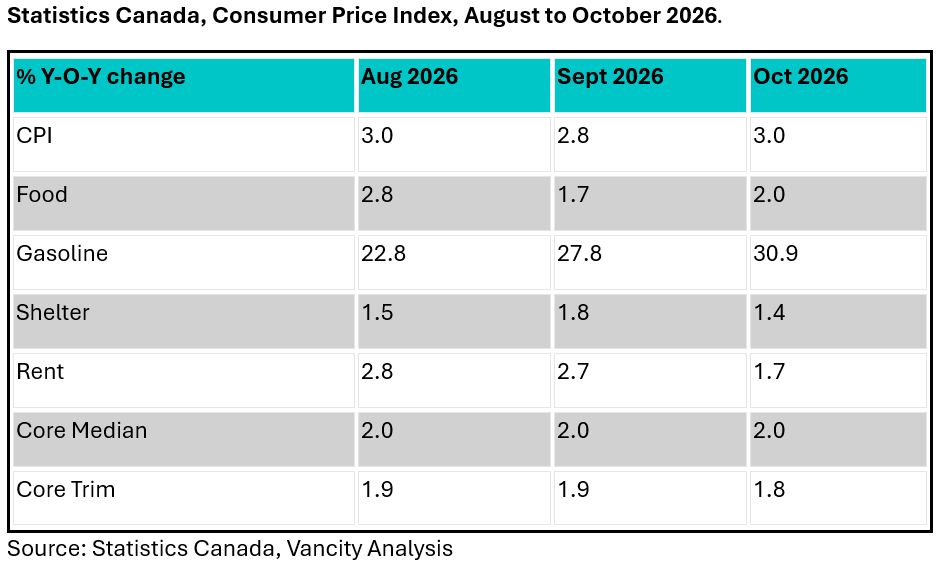
As I read today’s CPI report, I was wrestling with what to report that is relevant outside of the headline measures:
The clear story here is this: headline inflation is elevated, but the evidence of broad-based underlying inflation is considerably less concerning.
For households, the biggest takeaway is not to plan around significantly lower borrowing costs just yet. The latest inflation data strengthen the case for the Bank of Canada to pause rather than continue raising rates, but a pause does not mean rates are about to fall. If a renewal or major borrowing decision is approaching, run the numbers using the rates available today rather than the rates you hope will be available several months from now.
At the same time, where your money sits matters more when rates are elevated. If you have cash beyond your regular spending needs, look at whether those savings are earning a competitive return, particularly money sitting in low interest transaction accounts. This is also a good time to review the mix and cost of your debt before renewal rather than waiting for rates to change.
For businesses, the message is similar: do not build the 2027 plan around materially cheaper financing. Higher fuel and transportation costs remain a pressure, but softer underlying inflation and weak demand may also limit how much businesses can pass on to customers.
This puts more emphasis on cash flow, margins and financing structure. Businesses should stress test budgets against borrowing costs remaining high, identify where transportation and other input costs are squeezing margins, and review whether excess operating cash can earn more while it is waiting to be deployed. For those businesses contemplating investment, the question becomes less “when will rates fall?” and more “does this investment still generate an adequate return at today’s financing cost?”
The inflation outlook may be uncertain. Your financial plan does not have to be. October’s numbers make another immediate increase in borrowing costs less compelling, but they do not make lower rates imminent.
Vancity is a values-based financial co-operative serving the needs of its 588,000 member-owners and their communities, with offices and more than 60 branches located in Metro Vancouver and Squamish, the Fraser Valley, the Sunshine Coast, the Vancouver and Gulf Islands and Alert Bay, within the territories of the Coast Salish and Kwakwaka'wakw Peoples. With $42.4 billion in assets plus assets under administration, Vancity is Canada's largest credit union. Vancity uses its assets to help improve the financial well-being of its members while at the same time helping to develop healthy communities that are socially, economically, and environmentally sustainable.
